September 23, 2026
Best Logotype Fonts: Top Fonts for Logo and Brand Design
What Are Logotype Fonts?
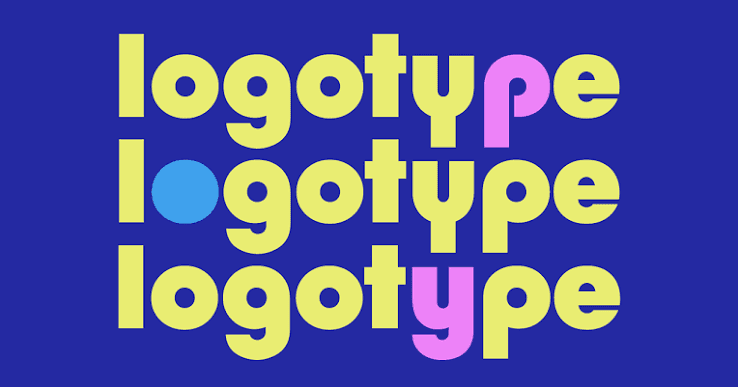
A logotype is a logo built mainly from the name of a company, product, website, or organization. Instead of relying on a separate symbol, the design uses typography to create the brand identity.
The font is therefore one of the most important parts of the design.
The best logotype fonts should be easy to recognize, readable at different sizes, and suitable for the personality of the brand. A good typeface can make a business look modern, professional, elegant, friendly, bold, or creative.
Current logo typography guides commonly group useful choices into categories such as geometric sans serif, modern serif, display, script, and humanist fonts.
There is no single font that is perfect for every logo. The right choice depends on the brand name, industry, audience, design style, and where the logo will be displayed.
What Makes a Good Logotype Font?
A font that looks great in a poster may not work well as a logo.
Logotype fonts need to perform in several situations. A logo may appear on a website, mobile screen, business card, product package, storefront, social media profile, or large sign.
Several qualities are especially useful.
Readability
People should be able to recognize the brand name quickly.
Avoid fonts with letter shapes that become difficult to read when the logo is small.
Distinctive Letterforms
A logo should have some visual character. A completely ordinary font can make a wordmark feel generic.
This does not mean that the font needs to be unusual. Small details in letters can provide enough personality.
Scalability
The logo should work at both large and small sizes.
A useful test is to view the logo at a very small size and then at a large size. Logo typography guides frequently recommend testing designs from small digital applications through large signage.
Good Spacing
Letter spacing can have a major effect on a wordmark.
Two identical fonts can look completely different when their spacing is changed.
Brand Personality
The font should support the identity of the business.
A luxury fashion company may need a different style from a sports brand or software company.
Best Logotype Fonts
Here are some popular font choices for different types of logo design.
1. Montserrat
Style: Geometric sans serif
Montserrat is a flexible choice for modern logotypes. Its clean shapes and wide range of weights make it useful for businesses, websites, startups, agencies, and lifestyle brands.
It can be used in uppercase for a strong wordmark or in mixed case for a softer appearance.
Montserrat is frequently recommended for logo and branding work because of its versatility.
Best for:
- Business logos
- Startup branding
- Technology
- Agencies
- Lifestyle brands
- Websites
2. Poppins
Style: Geometric sans serif
Poppins has rounded geometric shapes and a clean modern appearance.
It works particularly well when a brand wants a friendly and contemporary wordmark.
The geometric structure can also work well for digital brands and modern businesses.
Best for:
- Apps
- Technology
- Startups
- Online services
- Lifestyle brands
- Creative businesses
Poppins is regularly included among free logo font recommendations.
3. Inter
Style: Modern sans serif
Inter is known for its clean and highly readable letterforms. It is especially useful for digital brands, software companies, technology projects, and SaaS businesses.
It can create a simple wordmark without distracting details.
Inter is commonly recommended as a modern logo and branding option because it works well across digital sizes.
Best for:
- SaaS
- Software
- Technology
- Apps
- Online businesses
- Digital products
4. Bebas Neue
Style: Condensed display sans serif
Bebas Neue is a strong choice when you want a bold and narrow wordmark.
Its tall letterforms can create a powerful visual presence without taking up too much horizontal space.
It is often used for sports, fitness, entertainment, posters, and bold branding.
Best for:
- Sports brands
- Fitness
- Gaming
- Entertainment
- Fashion
- Bold businesses
5. Playfair Display
Style: High contrast serif
Playfair Display can give a logo an elegant and editorial appearance.
It is particularly useful for fashion, beauty, publishing, photography, hotels, restaurants, and premium businesses.
Its contrast between thick and thin strokes creates a more sophisticated visual style. Recent logo font guides frequently include Playfair Display among serif choices for premium branding.
Best for:
- Fashion
- Beauty
- Luxury
- Hotels
- Publishing
- Photography
6. Cormorant Garamond
Style: Decorative serif
Cormorant Garamond has a refined appearance with distinctive letterforms.
It can work well for brands that want an elegant, artistic, or traditional feeling.
The font is particularly useful when the logo is intended to have an editorial or premium appearance.
Best for:
- Fashion
- Jewelry
- Beauty
- Weddings
- Photography
- Luxury brands
Cormorant is among the serif fonts recommended in current logo typography guides for display and fashion oriented branding.
7. Futura
Style: Geometric sans serif
Futura is one of the best known geometric typefaces and has a long history in graphic design.
Its geometric construction makes it suitable for clean and structured wordmarks.
Futura is a commercial typeface, so designers should check the applicable license before using it in a project.
Best for:
- Architecture
- Fashion
- Design studios
- Technology
- Modern businesses
- Minimal branding
8. Jost
Style: Geometric sans serif
Jost is a modern geometric font with a clean appearance.
It can be a useful option for designers who want a geometric logo style without using a traditional typeface.
It works well in minimalist wordmarks and can be tested in uppercase and lowercase arrangements.
Best for:
- Minimal logos
- Startups
- Design agencies
- Technology
- Modern services
Jost is also listed among current free logo font recommendations.
9. Raleway
Style: Elegant sans serif
Raleway offers a lighter and more elegant appearance than many bold geometric fonts.
It can work particularly well when a brand needs a clean wordmark with a refined appearance.
Try different weights and letter spacing to find the right balance.
Best for:
- Fashion
- Photography
- Design
- Beauty
- Creative businesses
Raleway is frequently listed among contemporary logo font choices.
10. Oswald
Style: Condensed sans serif
Oswald is useful when you need a bold wordmark that occupies less horizontal space.
Its condensed design can work well for sports, media, fitness, and entertainment branding.
Best for:
- Sports
- Fitness
- News
- Media
- Entertainment
- Posters
Current free logo font guides commonly recommend Oswald for bold and condensed branding.
11. Anton
Style: Heavy display sans serif
Anton has thick letterforms and a strong visual presence.
It can be effective when the brand name needs to stand out immediately.
Because of its heavy weight, it should be tested carefully with longer brand names.
Best for:
- Sports
- YouTube channels
- Gaming
- Entertainment
- Bold startups
- Streetwear
Anton is frequently grouped with heavy display fonts suitable for high impact logo work.
12. Bodoni
Style: High contrast serif
Bodoni is associated with elegant typography and strong contrast between thick and thin strokes.
It can create a luxury or editorial appearance when used carefully.
Bodoni style fonts are particularly common in fashion and premium branding.
However, very thin strokes can become difficult to see at small sizes. Recent logo typography guidance recommends testing high contrast serifs carefully at smaller sizes.
Best for:
- Fashion
- Luxury
- Beauty
- Jewelry
- Editorial brands
- Premium products
13. Garamond
Style: Classic serif
Garamond is a classic serif style that can give a brand a traditional and established appearance.
It works well for companies that want their logo to feel timeless rather than highly modern.
Best for:
- Publishing
- Law
- Education
- Consulting
- Heritage brands
- Books
14. Baskerville
Style: Traditional serif
Baskerville offers a formal but readable appearance.
It can be useful for brands that want a classic wordmark with a professional character.
It works particularly well when combined with careful spacing and a simple logo layout.
Best for:
- Consulting
- Publishing
- Education
- Legal services
- Professional businesses
15. League Spartan
Style: Bold geometric sans serif
League Spartan has a strong geometric appearance and works well for brands that need a confident wordmark.
Its bold design can make short brand names especially noticeable.
Best for:
- Sports
- Fitness
- Startups
- Technology
- Modern retail
League Spartan is also included among bold geometric logo font recommendations.
Best Logotype Fonts by Style
Different brand styles call for different typeface families.
Brand styleFont examples
Modern
Montserrat, Inter, Poppins
Minimal
Jost, Inter, Raleway
Luxury
Bodoni, Playfair Display, Cormorant
Bold
Bebas Neue, Anton, League Spartan
Classic
Garamond, Baskerville
Fashion
Bodoni, Playfair Display, Cormorant
Technology
Inter, Poppins, Montserrat
Sports
Bebas Neue, Oswald, Anton
Creative
Raleway, Cormorant, Poppins
These are starting points rather than fixed rules. A font can work outside the categories listed above when its weight, spacing, capitalization, and other design details are adjusted.
Best Free Logotype Fonts
If you are designing a logo on a limited budget, there are many free typefaces worth testing.
Some commonly recommended options include:
Montserrat
Poppins
Inter
Bebas Neue
Oswald
Jost
Playfair Display
Cormorant Garamond
Raleway
Anton
Current typography guides identify many of these as free options suitable for logo and branding projects.
Always check the current license from the font's official source before using a font commercially, especially when downloading it from a third party.
Best Logotype Fonts for Luxury Brands
Luxury logos often use either high contrast serif fonts or refined sans serif fonts.
Some fonts to test include:
- Bodoni
- Playfair Display
- Cormorant Garamond
- Didot
- Garamond
- Futura
- Raleway
Typography alone does not make a logo look luxurious.
Letter spacing, capitalization, size, color, layout, and the surrounding design are also important.
For example, a serif font with generous spacing can produce a very different result from the same font set tightly.
Best Logotype Fonts for Technology Brands
Technology companies often benefit from clean sans serif typography.
Good fonts to test include:
- Inter
- Montserrat
- Poppins
- Space Grotesk
- Outfit
- Jost
- Geist
Recent logo typography guides highlight geometric and contemporary sans serifs as common choices for technology and startup branding.
A technology logo does not have to use a futuristic font. A clean, simple typeface can often create a more flexible identity.
Best Logotype Fonts for Fashion Brands
Fashion logos often use refined serif fonts, elegant sans serifs, or customized typography.
Consider:
- Didot
- Bodoni
- Playfair Display
- Cormorant Garamond
- Futura
- Raleway
High contrast serif fonts are frequently associated with fashion and luxury branding.
Best Logotype Fonts for Sports Brands
Sports logos often need strong typography that remains visible from a distance.
Good starting points include:
- Bebas Neue
- Oswald
- Anton
- League Spartan
- Archivo Black
Condensed and heavy fonts can give a wordmark a strong visual presence.
However, avoid choosing a font only because it looks powerful. Make sure the letters remain easy to recognize.
Best Logotype Fonts for Small Businesses
Small businesses do not necessarily need expensive fonts.
A free font can provide a strong starting point.
For example:
Restaurant: Playfair Display or Montserrat
Photography: Raleway or Cormorant Garamond
Fitness: Bebas Neue or Oswald
Technology: Inter or Poppins
Consulting: Montserrat or Baskerville
Fashion: Playfair Display or Cormorant Garamond
The important part is how the font is customized and used.
How to Customize a Logotype Font
Using a font exactly as downloaded can make a logo look like ordinary text.
Designers often make small changes to create a more unique wordmark.
Adjust Letter Spacing
Increase or decrease the space between letters.
This is one of the easiest ways to change the visual character of a logo.
Adjust Kerning
Some letter combinations may need individual spacing adjustments.
For example, letters such as A, V, T, and Y can create unusual spaces depending on the typeface.
Change Individual Letters
A designer may modify one letter to create a custom feature.
This can help the logo feel more distinctive.
Change Weight
Testing Regular, Medium, Semibold, Bold, or another available weight can completely change the appearance.
Try Uppercase
A wordmark can look very different in uppercase.
For example:
Brand Name
BRAND NAME
brand name
All three versions can create different visual impressions.
How Many Fonts Should a Logo Use?
For most simple wordmark logos, one font is enough.
If a logo contains a tagline, a second typeface may be used for the tagline.
Using too many fonts can make the design look less consistent.
A simple combination is often easier to maintain across websites, social media, packaging, and printed materials.
How to Test a Logotype Font
Before selecting a final font, create several versions of the logo.
Test the name in:
Uppercase
Lowercase
Title Case
Bold
Regular
Tight spacing
Wide spacing
Then test the logo at different sizes.
A font that looks excellent at a large size may lose important details when reduced.
Small size testing is especially important for websites, app icons, social media profiles, and other digital uses.
Should You Use a Custom Font for a Logo?
You do not always need a custom font.
An existing typeface can provide an excellent starting point. The designer can then modify spacing or individual letters to create a more distinctive wordmark.
A custom typeface becomes more useful when a company needs a highly unique visual identity across many applications.
For a small business or new website, starting with a quality existing font can be a practical approach.
Check Font Licensing
Font licensing is an important part of logo design.
A font may be free for personal use but require a commercial license for business projects.
Before using a font in a commercial logo, check:
- Whether commercial use is allowed
- Whether logo use is permitted
- Whether client work is allowed
- Whether modifications are allowed
- Whether the license has restrictions
- Where the font was downloaded from
Do not assume that every font labeled "free" has the same permissions.
Some current font guides specifically distinguish between free and paid typefaces and recommend checking licensing before commercial use.
Final Thoughts
Choosing the best logotype fonts is about more than finding a font that looks attractive.
The typeface needs to match the brand, remain readable at different sizes, have enough personality to create a recognizable wordmark, and work across different applications.
For modern logos, fonts such as Montserrat, Poppins, Inter, Jost, and Raleway are useful starting points. For bold designs, Bebas Neue, Oswald, Anton, and League Spartan are worth testing. For elegant and luxury branding, Playfair Display, Cormorant Garamond, Bodoni, and Garamond can provide a different visual direction.
The best result often comes from taking an existing typeface and carefully adjusting its spacing, weight, capitalization, and individual letterforms. Before publishing the final logo, test it at both very small and large sizes and confirm that the font license allows your intended use.
A good logotype should be simple enough to recognize quickly and distinctive enough to give the brand its own visual identity.